

African dance music is not a trend; it is the original heartbeat of human movement. Long before streaming platforms or recording studios existed, African communities were creating music designed to make the body move, the spirit rise, and the community connect. Today that same ancient energy powers the biggest dance floors on every continent and drives billions of streams every month. The world did not discover African dance music; it finally caught up to it.
Africa Did Not Invent Dance Music
Ancient Roots, Modern Energy
The relationship between Africa and dance music goes back further than any genre name or music chart. African communities have used music and movement as a unified language for thousands of years communicating joy, grief, victory, and celebration through rhythms never meant to be listened to passively. Every drum pattern, every vocal call, every handclap was built with one purpose to move the people hearing it. That purpose has never changed, and it is why African dance music feels so instinctively right to first-time listeners today.
Why Every African Beat Was Built to Move You
Modern African dance music carries within it the memory of everything that came before it. When a producer in Lagos or Johannesburg builds a beat, they are drawing from a well of rhythmic tradition that is thousands of years deep. The syncopation, the layered percussion, the call-and-response structures, all of these have roots in African traditions that predate recorded music by centuries. This is why African dance music feels simultaneously ancient and completely fresh, it is not imitating anything, it is the source.
The Roots Nobody Talks About
Drums as the Foundation of Everything
Before any other instrument existed in African music, there was the drum. Across every region of the continent, drums served as the primary vehicle for musical expression, community communication, and spiritual connection. Different drum patterns meant different things. A celebration rhythm was distinct from a mourning rhythm, a war drum sounded nothing like a harvest drum. This deep drumming tradition is the foundation on which all modern African dance music is built, audible in every afrobeats track and every amapiano log drum pattern made today.
Tribal Traditions Inside Modern Beats
Every contemporary African dance music producer is, in some sense, a cultural archivist. The rhythms they use, the scales they favor, the vocal styles they incorporate all shaped by the tribal musical traditions of their specific region and ethnic group. A Yoruba producer from Lagos brings different instincts to a beat than a Zulu producer from Durban or a Ga producer from Accra. These differences in tradition create the remarkable sonic diversity within African dance music, ensuring that no two artists sound exactly alike even within the same genre.
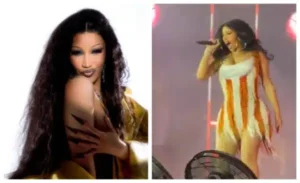
What Makes African Dance Music Completely Impossible to Ignore
The Science Behind the Rhythm
There is genuine neuroscience behind why African dance music is so physically irresistible. Research into music and movement has consistently shown that polyrhythmic music, where multiple independent rhythms play simultaneously, creates a stronger motor response in the brain than simpler music. African dance music is built almost entirely on polyrhythmic principles, with layers of percussion, bass, melody, and vocal rhythm all locking together into an unstoppable groove. This is not magic; it is science but on a dance floor it feels like both.
Why Your Body Reacts Before Your Brain Does
African dance music bypasses conscious thought and speaks directly to the body. The moment a strong afrobeats or amapiano beat drops, the physical response a head nod, a shoulder roll, a foot tap happens before the listener has consciously decided to move. This is because the brain processes rhythm in the motor cortex, the same region that controls physical movement. African dance music activates this region more powerfully than almost any other music on earth, which is why nobody needs to be told to dance when it plays.
Every Region Has Its Own Dance Sound
West Africa: Afrobeats and Highlife
West Africa is the engine room of African dance music, producing the sounds that have most directly shaped global popular music. Nigeria’s afrobeats dominates international charts while Ghana’s highlife tradition continues to influence producers and artists across the continent. The West African dance music sound is characterized by bright percussion, melodic basslines, and vocals that blend multiple languages into a single irresistible groove. Discover the biggest West African dance tracks right now on the Top 20 Africa Playlist.
East Africa: Bongo Flava and Swahili Sound
East Africa has its own powerful dance music tradition centered around Tanzania’s Bongo Flava and the broader Swahili coast sound. Bongo Flava blends hip hop, R&B, and traditional Tanzanian music into a distinctly East African dance sound that has grown a massive following across the continent. Artists like Diamond Platnumz have taken this regional sound and built it into a genuinely pan-African phenomenon. The East African dance music scene is one of the most exciting and underappreciated in the world right now.
South Africa: Amapiano and Afro-House
South Africa has gifted the world one of the most exciting dance music innovations of the last decade amapiano. Built on log drum basslines, jazz-influenced piano melodies, and a laid-back tempo that makes movement feel effortless, amapiano has spread from South African townships to clubs in London, New York, and beyond. Afro-house, another South African export, brings deeper electronic influences into the African dance music conversation. Together these two genres have made South Africa one of the most important dance music markets on the planet.
African dance music styles by region:
- West Africa — Afrobeats, Highlife, Afropop
- East Africa — Bongo Flava, Singeli, Taarab
- South Africa — Amapiano, Afro-House, Gqom
- Central Africa — Ndombolo, Soukous, Congolese Rumba
- North Africa — Rai, Gnawa, Chaabi
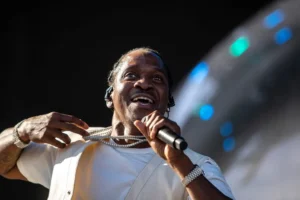
From Village Celebrations to Global Dance Floors
How Rhythm Traveled Without Permission
African dance music did not wait for the global music industry to discover it and grant it permission to travel. It moved with African people as they migrated, studied, worked, and built lives across every continent. Caribbean music, American jazz, funk, soul, and hip hop all carry deep African rhythmic DNA because the people who created those genres brought African musical memory with them wherever they went. African dance music has been shaping global music for centuries; the world is only now giving it proper credit for doing so.
The Diaspora That Carried It Everywhere
The African diaspora has been the most powerful distribution network African dance music has ever had. Second and third generation Africans living in London, Paris, Toronto, and New York grew up with African dance music in their homes and carried it into the clubs, studios, and playlists of their cities. They became the cultural bridge that connected African music to global audiences without ever watering it down or apologizing for it. Without the diaspora’s pride in sharing African dance music with the wider world, the genre’s global rise would have taken decades longer than it did. Stay connected with the freshest African dance music on the New Music Africa Playlist.
The Artists Owning Every Dance Floor Worldwide
Legends Who Built the Foundation
The legends of African dance music deserve recognition alongside any artist in music history. Fela Kuti proved African music could be sophisticated, political, and irresistible all at once. Hugh Masekela brought South African traditions to global audiences’ decades before streaming existed. Miriam Makeba carried African dance music to the world stage and opened doors for every artist who followed.
Names Running the Game Right Now
The current generation of African dance music artists is the most globally successful in history. Burna Boy has become the face of African music worldwide, winning Grammys and selling out stadiums on every continent. Kabza De Small and DJ Maphorisa turned amapiano from a township sound into a global phenomenon. Diamond Platnumz built East African dance music into a force that now commands serious international attention.
Female Artists Changing the Sound
The women of African dance music are expanding what the genre can be and what it can say. Tems brought vocal depth to afrobeats that created an entirely new emotional lane. Ayra Starr blends fearless pop energy with proudly Nigerian identity in a way that feels completely universal. Ami Faku brings soulful vulnerability to South African music that resonates far beyond the continent.
Female artists leading African dance music globally:
- Tems — Grammy winning voice redefining afrobeats
- Ayra Starr — fearless new generation Nigerian pop energy
- Tiwa Savage — pioneer who proved female artists can headline African music
- Ami Faku — South Africa’s most soulful contemporary voice
- Yemi Alade — one of the most globally successful African female artists
African Dance Music Styles — At a Glance
| Style | Origin | Key Artists | Defining Sound |
| Afrobeats | Nigeria | Burna Boy, Wizkid, Rema | Infectious rhythm, multilingual vocals |
| Amapiano | South Africa | Kabza De Small, DJ Maphorisa | Log drums, jazz piano, laid-back groove |
| Afro-House | South Africa | Black Coffee, Themba | Electronic structure, African rhythm |
| Bongo Flava | Tanzania | Diamond Platnumz, Harmonize | Hip hop, R&B, Swahili vocals |
| Highlife | Ghana | Stonebwoy, Sarkodie | Guitar-driven, joyful, melodic |
| Gqom | South Africa | Babes Wodumo, Distruction Boyz | Dark, aggressive, heavy bass |
| Gengetone | Kenya | Ethic Entertainment, Sailors | Street energy, Sheng language |
The Songs That Stopped the World
Tracks That Went Viral Before Viral Existed
Some African dance music songs achieved global reach long before social media existed simply because they were too good to stay contained. Miriam Makeba’s Pata Pata spread worldwide in the 1960s purely through human enthusiasm and word of mouth. Fela Kuti’s albums circulated through diaspora communities in Europe and America for decades before the internet existed. When African dance music is exceptional, nothing can stop it from finding its audience.
Songs Currently Owning Every Playlist
Today’s African dance music hits travel faster and further than anything before them. Rema’s Calm Down, Burna Boy’s Last Last, and CKay’s Love Nwantiti have all broken streaming records and introduced the genre to hundreds of millions of new listeners worldwide. These songs dominate playlists across Asia, Europe, Latin America, and North America simultaneously. Explore the biggest tracks on the New Music Africa Playlist and the Top 20 Africa Playlist.
African dance songs that broke globally:
- Calm Down — Rema
- Love Nwantiti — CKay
- Last Last — Burna Boy
- Jerusalema — Master KG ft. Nomcebo
- Essence — Wizkid ft. Tems
- Sugarcane — Camidoh

Why African Dance Music Makes Every Genre Better
How African Rhythm Changed Pop, House and Hip Hop
The influence of African dance music on global popular music is so deep that most listeners do not even recognize it. Syncopated drum patterns defining modern pop have African roots. Contemporary R&B vocal structures have been shaped by decades of afrobeats’ influence. Even electronic dance music owes enormous debt to African rhythmic principles producers absorbed along the way.
Producers Borrowing from Africa and Winning
Some of the biggest production names in global music built their careers partly on techniques borrowed from African dance music. Producers working with Drake, Beyoncé, and Ed Sheeran have all incorporated afrobeats elements into productions reaching hundreds of millions. Real collaborations with African artists are now replacing silent appropriation. This shift creates credit, revenue, and visibility for the African artists whose traditions made it all possible.
Social Media and African Dance Music’s Global Rise
How TikTok Turned African Songs into Phenomena
When an African dance track catches on TikTok it does not just trend, it explodes across every market simultaneously. CKay’s Love Nwantiti went from a Nigerian hit to a billion-stream global phenomenon almost entirely through TikTok. Master KG’s Jerusalema became a worldwide dance challenge introducing African music to communities across three continents. Social media removed every barrier that once limited African dance music’s reach.
Dance Challenges That Introduced Millions to Africa
African dance music and dance challenges are a perfect pairing because African music was always built to inspire movement. The Jerusalema challenge created a shared global moment rooted in African culture. The Zanku challenge brought Nigerian street dance to international attention through afrobeats. Check the freshest African dance music making waves in America on the New Music USA Playlist.
The Culture Behind Every Move
Why Dance and Music Were Never Separate in Africa
In African culture the separation between music and dance that exists in Western traditions simply does not exist. Music was always made to be danced to, and dance was always performed to music. When you respond physically to an African dance track you are participating in a tradition thousands of years old. That unity is why African dance music feels so complete to listeners from any background.
Stories Hidden Inside Every Dance Move
Every traditional African dance move carry meaning beyond entertainment. Certain movements reference farming, hunting, spiritual practice, or community rituals performed for generations. Even contemporary African dances that look purely entertaining are rooted in cultural references that carry deep significance. African dance music is not just entertainment, it is communication.
Where to Find the Best African Dance Music Right Now
Playlists Built for People Who Cannot Stop Moving
Finding great African dance music is easy when you know where to look. Curated playlists maintained by people with genuine knowledge of African music save you hours of searching and guarantee quality every time. Whether you want new releases or the biggest current hits, the right playlist delivers everything instantly. The New Music Africa Playlist and Weekly Top 10 Africa are updated regularly so you never miss what is fresh.
How to Never Miss a New Release
The African dance music scene moves so fast that a song can go from release to global phenomenon in days. Following weekly charts and updated playlists is the only way to stay ahead before a track explodes into the mainstream. The Weekly Top 10 Africa and Weekly Top 10 USA update every single week with the hottest African dance tracks. For everything in one place explore the full African music collection and never be behind the conversation again.
Best resources for African dance music fans:
- New Music Africa Playlist — freshest releases from across the continent
- New Music USA Playlist — African dance music making waves in America
- Top 20 Africa Playlist — the biggest African dance tracks right now
- Weekly Top 10 Africa — updated every week with Africa’s hottest songs
- Weekly Top 10 USA — tracking African dance music on US charts
- Full Music Collection — everything in one place
African Dance Music in Film, Fashion and Pop Culture
How African Beats Are Soundtracking Hollywood
African dance music has moved beyond clubs into the most powerful cultural spaces in the world. Hollywood films and major streaming series are increasingly using African dance music in their soundtracks reaching entirely new audiences. Beyoncé’s Black Is King brought African dance music into mainstream entertainment with production values that matched the music’s ambition. Every appearance in a major film creates thousands of new fans who go looking for more.
Why Every Major Brand Wants African Music
Global brands have recognized what music fans already knew, African dance music is the most energetic and universally appealing music being made anywhere right now. Nike, Adidas, and Apple have all used African dance music in campaigns communicating energy and authenticity better than any other genre. This commercial recognition brings revenue and visibility to African artists while cementing the genre at the center of global pop culture.
Next Generation Artists Ready to Own the Floor
The artists defining the next chapter are already impossible to ignore. Asake brings Fuji tradition into modern afrobeats production unlike anyone else. Focalistic is pushing amapiano into new territory with energy that makes every track feel like an event. Ayra Starr is proving the next generation can be more personal and more globally ambitious than anything before.
Why the Best Songs Have Not Been Made Yet
The most exciting truth about African dance music is that its greatest moments are still ahead. Africa has the world’s youngest population, meaning the artists who will take this genre to its peak are still teenagers today. The global appetite for African dance music is growing faster than supply can keep up with. Explore the full world of African dance music and be part of the movement before the rest of the world catches up.
Why African dance music will keep growing:
- Africa’s youngest population means unlimited new talent emerging every year
- Streaming platforms expanding aggressively into African markets
- Global collaborations opening new audiences for African artists constantly
- African dance music entering film, fashion, gaming and sports worldwide
- New sub-genres emerging and creating fresh sounds and audiences every year
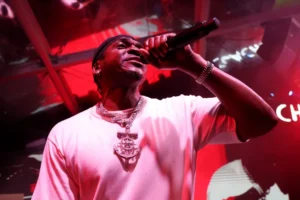
Frequently Asked Questions
What is African dance music?
African dance music is rhythm-driven music from across the African continent including genres like afrobeats, amapiano, afro-house, and highlife that are now dominating global charts and dance floors worldwide.
Which African dance music genre is most popular right now?
Afrobeats from Nigeria and amapiano from South Africa are currently the two most globally popular genres. Follow the Weekly Top 10 Africa to see what is hottest every week.
Who are the biggest African dance music artists today?
Burna Boy, Wizkid, Rema, Tems, Kabza De Small, and Black Coffee are among the biggest globally right now. Each represents a different corner of the African dance music universe.
Where can I find the best African dance music playlists?
The New Music Africa Playlist and Top 20 Africa Playlist are the best curated resources updated regularly with the freshest releases.
Why is African dance music growing so fast globally?
Irresistible rhythms, viral social media dance challenges, diaspora influence, and a new generation of world-class African artists are all driving African dance music’s unstoppable global rise.
Recent Comments