
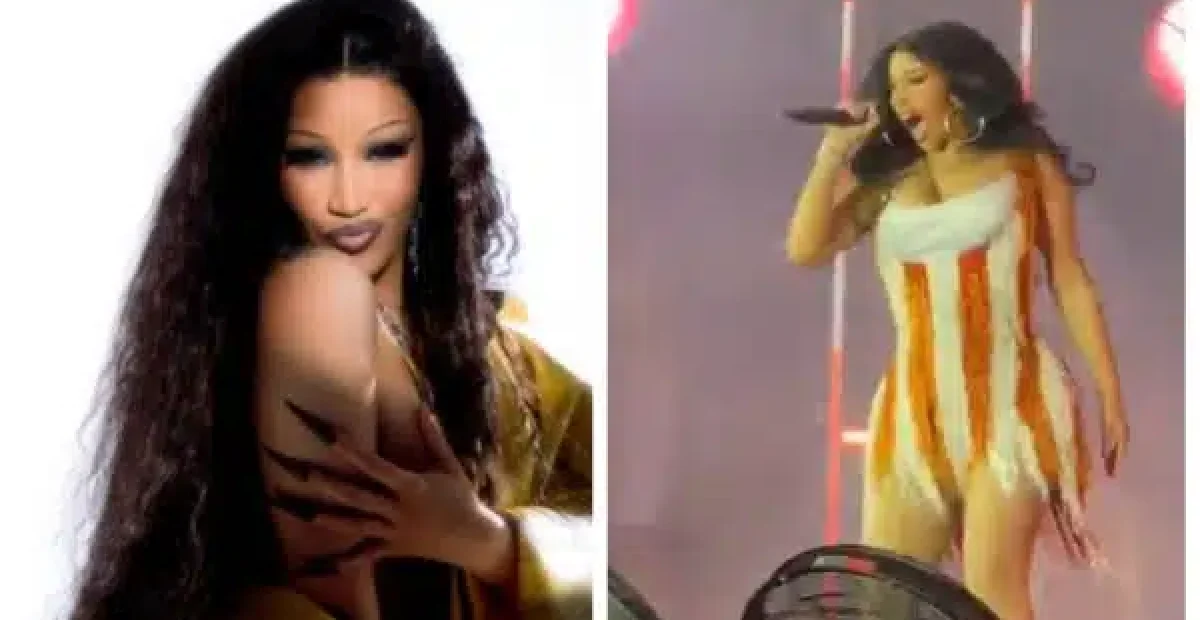
Afrobeats Nigerian music is one of the most powerful cultural exports the world has ever seen. What started as a raw, energetic sound from the streets of Lagos has grown into a global movement that touches every continent, every chart, and every playlist worth following. Nigerian artists are not asking for a seat at the table anymore, they built their own table, and the world came to sit at it. If you have not yet fallen into the world of afrobeats Nigerian music, this is where that journey begins.
The Neighborhood That Started Everything
How Lagos Gave Afrobeats Nigerian Music Its Identity
Lagos is not just a city; it is a feeling, and that feeling is baked into every afrobeats Nigerian music track ever made. The chaos, the hustle, the color, and the unbeatable energy of Lagos Streets found their way into the music naturally because the artists making it were living that life every single day. Surulere, Mushin, Agege, and the mainland areas of Lagos were the original incubators of the afrobeats sound, producing artists, producers, and music culture that the whole world now celebrates. You cannot fully understand afrobeats Nigerian music without understanding the city that made it possible.
The Raw Street Energy Behind Every Nigerian Track
There are a grittiness and authenticity in afrobeats Nigerian music that comes directly from the streets where it was born. Nigerian artists did not grow up making music in comfortable studios with expensive equipment; they made it in bedrooms, on laptops, and in makeshift recording spaces where the goal was always to capture something real. That street energy never left the music even as the budgets grew and the stages got bigger. Every afrobeats Nigerian music track carry within it the memory of where it came from, and that memory is what gives it an edge that polished, corporate pop music can never replicate.
Why Nigeria Was Always Destined to Lead African Music
Nigeria has always had the ingredients to lead African music, a massive population, an incredibly diverse cultural landscape, a deep tradition of musical innovation, and a competitive creative environment that pushes artists to be extraordinary just to survive. With over 200 million people and hundreds of distinct ethnic groups each bringing their own musical traditions, Nigeria is essentially a continent of music within a single country. Afrobeats Nigerian music did not rise to global dominance by accident; it was the inevitable result of all that creative energy finally finding a global platform to express itself on.
Why Lagos became the capital of afrobeats Nigerian music:
- Home to Nigeria’s largest concentration of recording studios and music labels
- A melting pot of Yoruba, Igbo, Hausa and dozens of other cultural music traditions
- Street culture that constantly generates new sounds, dances and trends
- A competitive music scene that forces artists to innovate or be left behind
- Direct connections to diaspora communities in London, New York and Toronto
Why Nigerian Afrobeats Music Hits Differently
The Emotional Power Only Nigerian Artists Deliver
There is something in afrobeats Nigerian music that reaches a part of the listener that other genres simply cannot access. Nigerian artists have a gift for wrapping deeply personal emotions heartbreak, joy, ambition, nostalgia, and spiritual feeling, inside rhythms and melodies that feel like a celebration even when the subject matter is heavy. Burna Boy can sing about pain and make you want to dance at the same time. Tems can deliver vulnerability so honestly that it feels like she is reading your diary. This emotional duality is uniquely Nigerian, and it is one of the main reasons afrobeats Nigerian music creates such loyal, passionate fans all over the world.

The Language of Nigerian Afrobeats Nobody Taught You
Yoruba, Pidgin and Why the Words Do Not Matter
One of the most remarkable things about afrobeats Nigerian music is how effectively it communicates across language barriers. A listener in Seoul or Stockholm who does not speak a word of Yoruba or Nigerian Pidgin English will still feel exactly what a Nigerian afrobeats song is expressing because the emotion is carried in the music itself, not just the words. Nigerian artists switch effortlessly between English, Yoruba, Pidgin, and Igbo within a single song, creating a linguistic texture that feels exotic and familiar at the same time. The multilingual nature of afrobeats Nigerian music is not a barrier, it is one of its greatest superpowers, giving every song a cultural depth that monolingual music simply cannot match.
Languages commonly heard in afrobeats Nigerian music:
- Nigerian Pidgin English — the street lingua franca that connects all tribes
- Yoruba — the language of Lagos and southwest Nigeria with deep musical tradition
- Igbo — bringing eastern Nigerian culture and melody into the afrobeats mix
- English — the bridge that connects Nigerian music to global mainstream audiences
- French and Twi — for collaborations with Francophone and Ghanaian artists
Nigerian Producers: The Quiet Architects Behind Every Hit
The Men Behind the Boards Running the Afrobeats Empire
Every iconic afrobeats Nigerian music track you have ever loved was built by a producer who made decisions about every single sound before the artist ever stepped to the microphone. Producers like Sarz, Spellz, Killertunes, Pheelz, and Kel-P have created sonic signatures so distinctively that devoted fans can identify their beats within the first few seconds of a song. These producers are not just technicians, they are visionaries who understand Nigerian culture, global trends, and the emotional mathematics of what makes a song connect. The afrobeats Nigerian music production world is one of the most innovative creative environments anywhere on earth right now.
How One Beat from Lagos Ends Up on Global Playlists
The journey of an afrobeats Nigerian music beat from a Lagos studio to a global playlist is faster today than it has ever been. A producer finishes a beat, an artist records on it, the song gets released on streaming platforms, and within days it can be picked up by playlist curators, music blogs, and tastemakers around the world who put it in front of millions of listeners simultaneously. This speed of distribution has completely transformed the Nigerian music industry, allowing local artists to reach global audiences without the traditional gatekeepers who once controlled who got heard and who did not. Discover the freshest afrobeats Nigerian music as soon as it drops on the New Music Africa Playlist updated regularly with the best new releases.
The Night Nigerian Afrobeats Walked onto the World Stage
There was a specific moment when the global music industry could no longer pretend that afrobeats Nigerian music was a regional phenomenon. When Wizkid’s name appeared alongside Drake on One Dance and the song hit number one in over a hundred countries simultaneously, every major label executive, festival booker, and streaming platform algorithm had to update their understanding of what global music meant. That moment was not a surprise to anyone who had been paying attention to Nigerian music, it was simply the day the rest of the world finally caught up. Beyoncé following with an entire album built around African artists confirmed what that first moment announced, afrobeats Nigerian music was not visiting the global stage, it was taking up permanent residence on it. Check the Top 20 Africa Playlist to see the Nigerian tracks currently dominating the continent and beyond.
| Artist | Era | Signature Song | Global Impact |
| 2Face Idibia | Early 2000s | African Queen | First Nigerian artist to achieve continental fame |
| D’banj | 2000s-2010s | Oliver Twist | Brought Nigerian music to UK mainstream |
| Wizkid | 2010s-Present | One Dance | First Nigerian artist to hit number one in 100+ countries |
| Burna Boy | 2010s-Present | Last Last | Grammy winner, sold out stadiums on every continent |
| Davido | 2010s-Present | Fall | Longest charting Nigerian song in Billboard history |
| Tems | 2020s-Present | Free Mind | First Nigerian female artist to chart on Billboard Hot 100 |
| Rema | 2020s-Present | Calm Down | Broke Afrobeats streaming records globally |
| Ayra Starr | 2020s-Present | Rush | Leading the new generation of Nigerian afrobeats globally |
Genres That Tried to Resist Nigerian Music and Failed
How Nigerian Afrobeats Took Over Pop, R&B and Hip Hop
For years the mainstream Western music industry treated afrobeats Nigerian music as an interesting curiosity from a distant market. Then slowly, almost without anyone noticing, Nigerian rhythms started appearing in pop productions. R&B artists began borrowing the melodic sensibilities of Nigerian music. Hip hop producers started sampling afrobeats drum patterns. By the time the industry realized what was happening, Nigerian music had already fundamentally altered the DNA of three of the world’s biggest genres. Afrobeats Nigerian music did not force its way into the mainstream; it simply made music so irresistible that the mainstream had no choice but to absorb it.
The Chart Moment Nobody in Nigeria Was Surprised By
When afrobeats Nigerian music tracks began regularly appearing on the Billboard Hot 100 and the UK Singles Chart, it was treated as a shocking development by Western music media. In Nigeria, the reaction was closer to quiet satisfaction. Nigerian artists and their fans had known for years that the music was good enough to compete at the highest level globally, they were simply waiting for the infrastructure of streaming and social media to catch up and deliver the audience that the music had always deserved. The charts eventually reflected what Lagos already knew, and that confirmation felt less like a breakthrough and more like an overdue acknowledgment.
The Women Rewriting Nigerian Afrobeats from the Inside
Female Voices Changing What African Music Can Say
The female artists of afrobeats Nigerian music are doing something more significant than just making hits, they are expanding the emotional and thematic range of the entire genre. Tems brought an alternative sensibility and raw vulnerability to afrobeats that opened doors for a completely new kind of Nigerian music. Ayra Starr combined fearless pop instincts with deeply Nigerian cultural references to create a sound that feels both universal and proudly local. Tiwa Savage spent years proving that a female artist could headline the Nigerian music industry with the same commercial power as any male counterpart. These women are not just participating in afrobeats Nigerian music; they are actively rewriting its possibilities from the inside out.
Female afrobeats Nigerian music artists leading the movement:
- Tems — Grammy winner bringing alternative depth to afrobeats
- Ayra Starr — fearless pop energy rooted in Nigerian identity
- Tiwa Savage — pioneer who opened doors for every female artist after her
- Yemi Alade — one of the most globally successful Nigerian female artists
- Gyakie — bridging Nigerian and Ghanaian afrobeats with powerful vocals

What Nigerian Afrobeats Does to Every Room It Enters
From Lagos Parties to London Clubs
There is a specific energy that afrobeats Nigerian music brings to any space it enters and that energy does not change based on geography. The same track that fills a rooftop party in Victoria Island Lagos will fill a club in Brixton London with the exact same electricity, the same movement, and the same collective joy. This universality of atmosphere is one of the most remarkable qualities of afrobeats Nigerian music and it explains why Nigerian DJs are now among the most in-demand performers at events across Europe, North America, and beyond. The music carries its own environment with it wherever it goes. Follow the Weekly Top 10 Africa to always know which Nigerian tracks are currently filling rooms around the world.
Why This Music Was Built to Move People
Afrobeats Nigerian music was never designed to be background noise; it was always built to create movement and connection. The percussion structures in Nigerian afrobeats are rooted in traditions where music and dance were never separate things, where a rhythm was not just something you listened to but something your body responded to automatically. Modern Nigerian producers understand this tradition even when they are working entirely in the digital domain, and they encode it into every beat they make. This is why afrobeats Nigerian music does not just sound good, it physically moves people in a way that bypasses conscious thought and speaks directly to something ancient and instinctive inside the human body.
What happens when afrobeats Nigerian music enters a room:
- Conversations stop and attention shifts to the music immediately
- Bodies begin moving within the first few bars without conscious decision
- People who have never met begin connecting through shared movement
- Energy levels in space rise noticeably and sustainably
- The song stays in everyone’s head long after it stops playing
The Best Playlists to Discover Nigerian Afrobeats Music
Where Real Fans Go to Find Fresh Nigerian Music Weekly
The afrobeats Nigerian music scene moves incredibly fast; an artist can go from unknown to everywhere in a matter of weeks and if you are not plugged into the right sources, you will always be behind the conversation. Real afrobeats fans do not wait to discover songs after they have already gone viral; they find them early through curated playlists and weekly charts that track what is rising before it explodes. The Weekly Top 10 Africa and Weekly Top 10 USA are updated every single week specifically so that afrobeats Nigerian music fans always know exactly what is hot right now.
How Curated Playlists Keep You Ahead of Every New Release
A well-curated afrobeats Nigerian music playlist does something that no algorithm can fully replicate, it applies genuine musical taste and cultural knowledge to the selection process, ensuring that every track on it belongs there for a reason. When you follow a playlist that is maintained by people who genuinely understand Nigerian music, you get exposure to new artists and tracks that the algorithm might never surface for you on its own. The New Music Africa Playlist and New Music USA Playlist are exactly this kind of resource, curated with real knowledge of what afrobeats Nigerian music fans actually want to hear.
Best playlists for afrobeats Nigerian music fans:
- New Music Africa Playlist — freshest Nigerian and African releases every week
- New Music USA Playlist — Nigerian afrobeats making waves in the American market
- Top 20 Africa Playlist — the biggest Nigerian tracks dominating the continent
- Weekly Top 10 Africa — updated weekly with Africa’s hottest songs
- Weekly Top 10 USA — tracking Nigerian afrobeats rising on US charts
- All African Music — the full collection in one place
Nigerian Afrobeats Music Is Not Done — Not Even Close
The Next Generation Already Making Noise
The artists who will define the next decade of afrobeats Nigerian music are already in Lagos studios right now, building sounds that nobody has heard before. Asake has already established himself as one of the most distinctive voices in the current generation, blending Fuji tradition with modern afrobeats production in a way that feels genuinely new. Odumodublvck is taking Nigerian rap and afrobeats into darker, more complex lyrical territory. Shallipopi is bringing a raw street authenticity that reminds longtime fans of where the music came from. Lojay has a melodic instinct that places him among the most exciting young voices currently active in afrobeats Nigerian music.
Why the Biggest Nigerian Songs Have Not Been Made Yet
The most exciting thing about afrobeats Nigerian music right now is the certainty that the best is still coming. Nigeria has the youngest median population of any major music-producing nation on earth, which means the artists who will take this genre to its absolute peak are still teenagers today. The streaming infrastructure that delivers Nigerian music to global audiences is still expanding into new markets. The global appetite for afrobeats Nigerian music is growing faster than the supply can keep up with. Every week brings new evidence that this genre is still in its early chapters, still ascending, still surprising the world with what it is capable of. Explore the complete world of afrobeats Nigerian music and experience the movement that is only getting started.
Why afrobeats Nigerian music will keep growing:
- Nigeria’s population of 220 million is the largest talent pool in African music
- Streaming platforms are expanding aggressively into African markets
- Nigerian music infrastructure — studios, labels, management is maturing rapidly
- Global collaborations are opening new markets for Nigerian artists every year
- The next generation of Nigerian artists is the most digitally connected in history
Frequently Asked Questions About Afrobeats Nigerian Music
What exactly is afrobeats Nigerian music?
Afrobeats Nigerian music is contemporary African popular music from Nigeria blending traditional rhythms with modern pop, R&B and hip hop. It is the sound behind global hits from Burna Boy, Wizkid, Tems and Davido dominating charts worldwide.
Which Nigerian artists are leading afrobeats right now?
Burna Boy, Wizkid, Davido, Tems, Ayra Starr and Asake are currently leading globally. Check the Weekly Top 10 Africa every week to see which Nigerian artists are rising fastest.
Where can I find the best Nigerian afrobeats playlists?
The New Music Africa Playlist and Top 20 Africa Playlist are regularly updated with the freshest Nigerian afrobeats releases and the biggest current hits.
Why is Nigerian afrobeats music so popular worldwide?
Nigerian afrobeats combines irresistible rhythms, multilingual lyrics, emotional authenticity and world-class production that crosses every cultural and language barrier effortlessly.
How do I stay updated with new Nigerian afrobeats releases?
Follow the Weekly Top 10 Africa and explore the full African music collection to never miss a new Nigerian afrobeats release.
Recent Comments